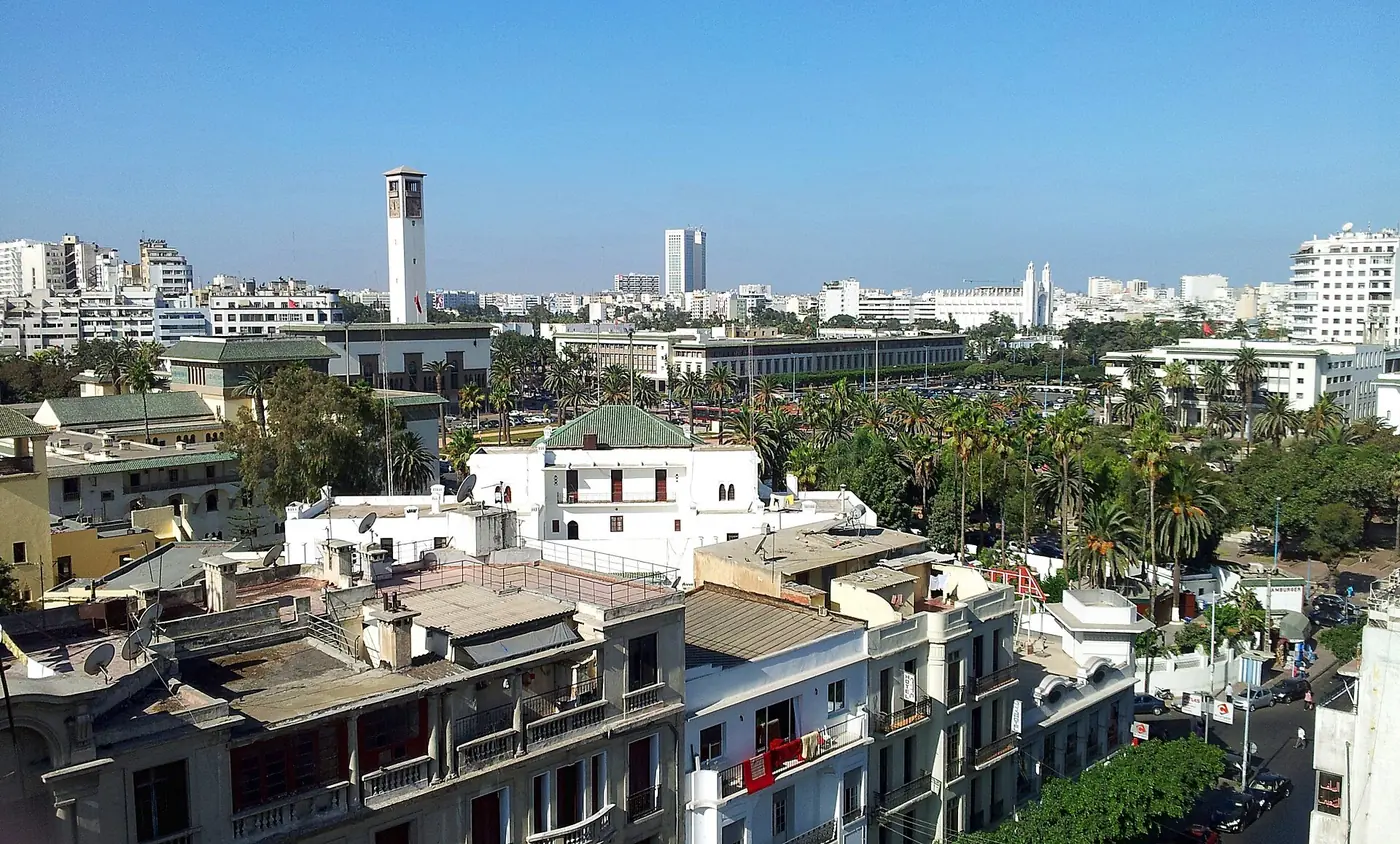
City guide
Casablanca Travel Guide: Beyond the Airport, Into Morocco's Biggest City
Published · 12 min read · By Tarik Belasri, Maroc Service
Is Casablanca worth visiting? This in-depth Casablanca travel guide covers the Hassan II Mosque, Art Deco architecture, the old medina and the Corniche.
Casablanca has a reputation problem. Many travellers land at Mohammed V International Airport, jump straight on a train to Marrakech, and assume they've seen nothing worth stopping for. Others arrive expecting the misty romance of the 1942 film and find a busy port city of more than three million people, traffic jams and construction cranes.
Both groups miss the point. Casablanca, or "Casa" as Moroccans call it, is the country's economic engine and its most modern city, but it also has one of the most spectacular religious buildings in the world, an extraordinary collection of 20th-century architecture, an ocean-front promenade, and some of Morocco's best restaurants. Spend a day or two here and you'll understand a side of Morocco that rarely makes it into postcards: young, urban, ambitious and cosmopolitan.
A Quick History of Casablanca
The site was once a Berber town called Anfa. In the 15th century the Portuguese destroyed it, then later rebuilt a settlement they named Casa Branca, "White House." An earthquake in 1755 devastated the town, and Sultan Mohammed ben Abdallah rebuilt it in the late 18th century, giving it the Arabic name Dar al-Bayda, which has the same meaning.
The city's real transformation came with the French Protectorate from 1912. Resident-General Hubert Lyautey and urban planner Henri Prost turned Casablanca into a showcase of modern town planning. A huge new port was built, and the city exploded in size, attracting workers from across Morocco and Europe. Architects experimented freely, mixing Art Deco, neo-Moorish and modernist styles, which is why Casablanca today is often described as an open-air museum of 20th-century architecture.
During the Second World War, the Allies landed nearby in 1942, and in January 1943 Roosevelt and Churchill met at the Anfa Conference to plan the next stage of the war. That same period gave the world the Hollywood film Casablanca , which was actually shot entirely in California.
Top Things to Do in Casablanca
The Hassan II Mosque
This is the reason most visitors stop in Casablanca, and it doesn't disappoint. Built between 1986 and 1993 and designed by French architect Michel Pinseau, the Hassan II Mosque stands partly over the Atlantic Ocean, inspired by a Quranic verse saying God's throne was built on water. Its minaret rises about 210 metres, making it one of the tallest in the world. A laser on top points toward Mecca at night.
Inside, the prayer hall can hold tens of thousands of worshippers, with many more in the courtyard outside. Thousands of Moroccan artisans worked on the mosque, and the result is a showcase of national craftsmanship: carved cedar ceilings, zellige, stucco, marble and titanium-alloy doors. The roof can slide open to let in the sky.
Unlike most mosques in Morocco, the Hassan II Mosque is open to non-Muslim visitors on guided tours, held several times a day outside prayer times, in languages including English, French and Spanish. Tours last roughly 45 to 60 minutes and include the ablution rooms and hammam in the basement. Shoulders and knees must be covered; you'll remove your shoes and carry them in a bag. Times change with the seasons and religious calendar, especially during Ramadan and on Fridays, so check the current schedule before you go.
Even if you don't take the tour, walk around the vast esplanade at sunset, when waves crash against the seawall and the minaret glows.
Art Deco and Mauresque Architecture
Casablanca's centre is packed with buildings from the 1920s and 1930s. Some highlights:
- Boulevard Mohammed V: lined with Art Deco facades, wrought-iron balconies and arcades. Look up as you walk.
- Place Mohammed V (formerly Place des Nations Unies): surrounded by grand administrative buildings in the neo-Moorish "Mauresque" style: the Wilaya (Prefecture) with its clock tower, the courthouse, the main post office and the Bank Al-Maghrib.
- The Sacré-Cœur Cathedral: a white, 1930s church mixing Art Deco and Gothic influences, now used as a cultural venue.
- The Central Market (Marché Central): a lively covered market with fish, flowers and olives, plus small stalls grilling seafood you can pick out yourself.
- Villa des Arts: a restored 1930s villa used as a contemporary art space.
The association Casamémoire organises heritage walks and the annual "Journées du Patrimoine" when many buildings normally closed to the public open their doors. It's the best way to understand the city's architecture.
The Quartier Habous
Built by the French in the 1930s as a "new medina," the Habous district is a planned neighbourhood with arcades, small squares and neat streets. It's calm, clean and great for shopping: olive merchants, Moroccan pastry shops (the famous Pâtisserie Bennis), bookshops selling Arabic texts, and craft stalls. The nearby Royal Palace of Casablanca can be seen from outside.
The Old Medina
Casablanca's old medina is small and less polished than those of Fes or Marrakech. It's a working neighbourhood where locals shop for cheap clothes and household goods. Walk along the ramparts to the Sqala, an 18th-century bastion with old cannons, a garden café and views toward the port.
The Corniche and Ain Diab
The Corniche runs west along the coast through Ain Diab, with beach clubs, restaurants, cafés, hotels and nightlife. It's where Casablanca comes to relax: joggers in the morning, families at sunset, young people late into the night. Walk all the way to the small island shrine of Sidi Abderrahmane, reachable on foot at low tide.
Museum of Moroccan Judaism
Located in the Oasis district, this is the only museum of its kind in the Arab world. It tells the story of Morocco's Jewish communities through religious objects, clothing, photographs and reconstructed interiors, and it's a moving reminder of the country's diverse heritage.
Rick's Café
Opened in 2004 by a former American diplomat, Rick's Café recreates the famous bar from the film inside a restored courtyard mansion near the port. It's touristy, yes, but the setting is beautiful, there's live piano music, and many visitors enjoy a drink there for the nostalgia. Dress smartly and reserve in advance for dinner.
Morocco Mall and Anfa Park
For a glimpse of modern Casablanca, visit the Morocco Mall near the Corniche, one of the largest shopping centres in Africa, with an aquarium and musical fountain. Anfa Park, built on the site of the old airport, is a large green space popular with families.
Notre-Dame de Lourdes Church
This 1950s church near the Rond-Point de l'Europe has some of the largest stained-glass windows in Africa, created by the French artist Gabriel Loire. The windows combine Christian themes with Moroccan-inspired patterns, and when the afternoon sun shines through, the interior glows in shades of blue and red. It's still an active Catholic church, so visit outside service times and be respectful.
Parc de la Ligue Arabe
Casablanca's largest central park was laid out during the Protectorate and has recently been restored. Its long avenues of palm trees, fountains and cafés offer a welcome break from traffic and noise. Families come here in the evenings, and it's a pleasant place to walk between the city centre and the Maarif district.
Abderrahman Slaoui Foundation Museum
Housed in an Art Deco villa in the city centre, this small private museum displays the collection of a Casablanca businessman: Moroccan jewellery, Orientalist posters, perfume bottles and decorative objects. It's a quiet, little-known gem with a pleasant rooftop café.
Casablanca for Different Travellers
For architecture fans: Casablanca is a dream. Spend a full day walking the centre with a heritage map, from the Art Deco Immeuble Assayag to the Mauresque buildings around Place Mohammed V. Many building lobbies are open, and you can peek inside to see original tiles and ironwork.
For foodies: The combination of the Central Market, the fishing port, Moroccan family restaurants and international dining makes Casablanca one of the best eating cities in North Africa. Book a food tour to taste dishes you'd never find on your own.
For families: Children usually enjoy the Corniche, the Morocco Mall aquarium, the parks and the boat-like scale of the Hassan II Mosque. The Sindibad theme park on the edge of Ain Diab is another option.
For business travellers: Casablanca is Morocco's financial capital. The Casablanca Finance City district and the Marina are home to modern offices, conference hotels and good transport links to the airport.
Understanding Modern Moroccan Life
Casablanca is where you'll see many of the contrasts of contemporary Morocco side by side. Glass towers rise next to crumbling Art Deco blocks. Young professionals in suits share pavements with street vendors pushing carts. Women in headscarves and women in jeans sit in the same cafés. Football is a passion, and the rivalry between the city's two big clubs, Raja and Wydad, is one of the most intense in Africa. If you can, catch a match or simply watch one in a café with locals; the atmosphere is electric.
Budget Tips for Casablanca
Casablanca can feel more expensive than other Moroccan cities, but there are easy ways to save. Use the tram instead of taxis for long distances, eat lunch at the Central Market or in local snack bars, and pick hotels near the Casa Voyageurs or Casa Port stations, which tend to be cheaper than those on the Corniche. Many of the city's best sights, from Art Deco streets to the Habous and the seafront, are free to enjoy.
Where to Stay in Casablanca
City Centre
Near Boulevard Mohammed V and Place Mohammed V, you'll be close to the Casa Port train station, the medina and Art Deco streets. Good for short stays and train connections.
The Corniche and Ain Diab
For ocean views, beach clubs, restaurants and nightlife, stay along the Corniche. The Hassan II Mosque is a short taxi ride away.
Maarif and Gauthier
Trendy districts with boutiques, cafés and restaurants. They're popular with business travellers and well connected by taxi and tram.
What to Eat in Casablanca
As a port city with a huge population from every region of Morocco, Casablanca has the most diverse food scene in the country.
- Seafood: grilled sardines, sea bream, calamari and shrimp. Try the stalls in the Central Market, or the restaurants at the fishing port.
- Street food: spicy snail soup, grilled kefta sandwiches and freshly fried sfenj doughnuts.
- Moroccan classics: tagines, couscous, pastilla and rfissa in family restaurants.
- International cuisine: French bistros, Italian, Lebanese, Japanese and more, especially in Gauthier, Maarif and along the Corniche.
- Pastries and coffee: Casablanca has a strong café culture. Order a "nous-nous" (half coffee, half milk) like a local.
Getting to and Around Casablanca
By air: Mohammed V International Airport (CMN) is Morocco's biggest hub, served by Royal Air Maroc and many international airlines. A direct train connects the airport to Casa Voyageurs and other city stations in around 35 minutes.
By train: Casa Voyageurs is the main station for long-distance trains to Marrakech, Fes, Rabat and Tangier (via the Al Boraq high-speed line). Casa Port, closer to the medina, serves Rabat and the airport.
Tram and busway: Casablanca's tram network links the centre with Ain Diab, Sidi Moumen and other districts. It's cheap and efficient.
Taxis: Red petits taxis are everywhere. Insist on the meter. Grand taxis (white) run fixed routes and longer trips.
Walking: The centre, the Habous and the medina are walkable, but the city is spread out, so you'll combine walking with taxis or the tram.
Best Time to Visit Casablanca
Casablanca has a mild Atlantic climate year-round. Summers are warm and humid but rarely extreme, which makes it a good escape when inland cities are scorching. Winters are mild but can be rainy. Spring and autumn are especially pleasant. If you're visiting the Hassan II Mosque, avoid Fridays around midday prayers and check the Ramadan schedule.
Shopping in Casablanca
Beyond the Habous and the Morocco Mall, the Derb Ghallef market is a sprawling bazaar famous for electronics, second-hand goods and almost anything else. Boulevard d'Anfa and Maarif have fashion boutiques, while the old medina sells cheap clothes and household items.
Is Casablanca Safe?
Casablanca is generally safe for tourists, but like any big city, it has pickpockets and petty theft, especially in crowded areas such as the old medina, markets and busy trains. Keep valuables out of sight, use official taxis and avoid quiet streets late at night. Hassle from touts is much less common than in Marrakech or Fes.
Suggested 1–2 Day Casablanca Itinerary
Day 1: Morning tour of the Hassan II Mosque. Walk along the seafront to the old medina and the Sqala for lunch. Afternoon in the Art Deco centre, Boulevard Mohammed V and Place Mohammed V, with a stop at the Central Market. Evening drink at Rick's Café or dinner at the port.
Day 2: Quartier Habous in the morning for shopping and pastries, then the Museum of Moroccan Judaism. Afternoon on the Corniche and Ain Diab, and sunset at the shrine of Sidi Abderrahmane.
A Few Words of Local Etiquette
Greet people with "salam alaykum" before asking a question, accept mint tea when it's offered, and use your right hand to eat or pass things. In cafés, it's normal to sit for a long time over one coffee. During Ramadan, avoid eating, drinking or smoking in public during daylight hours out of respect.
Day Trips from Casablanca
- Rabat: an hour by train, with the Kasbah of the Udayas and the Hassan Tower.
- El Jadida: about 90 minutes south, with its Portuguese Cistern and UNESCO-listed fortified city.
- Azemmour: a small, artsy riverside town with old ramparts, near El Jadida.
- Mohammedia: a beach town just north of Casablanca.
- Marrakech: about 2.5 to 3 hours by train or motorway, better as an onward destination.
Private tours that visit Casablanca
Want to see Casablanca without worrying about transport? These private tours with a local driver-guide include it, and each one can be adjusted to your dates and pace:
- 7 Days: Enchanting Trails of Morocco (7 days / 6 nights)
- 8 Days: Marrakech to Marrakech (8 days / 7 nights)
- 9 Days: Discover the Wonders of Morocco (9 days / 8 nights)
- 9 Days: Immerse in the Beauty of Morocco (9 days / 8 nights)
Prefer your own route? Ask for a tailor-made tour and we will build it around Casablanca.
Final Thoughts
Casablanca isn't the Morocco of camel caravans and ancient medinas. It's the Morocco of today, a city of commerce, cafés, ocean breezes and bold architecture. Give it one or two days, start with the breathtaking Hassan II Mosque, then explore its streets with fresh eyes. You may leave with a very different picture of the country than you expected.
Frequently Asked Questions
Is Casablanca worth visiting?
Yes, for at least a day. The Hassan II Mosque alone justifies the stop, and the architecture and food scene are excellent.
Can non-Muslims enter the Hassan II Mosque?
Yes, on official guided tours outside prayer times. Dress modestly.
How do I get from Casablanca Airport to the city?
The direct train to Casa Voyageurs takes about 35 minutes. Taxis are also available.
Was the film Casablanca filmed in Casablanca?
No, it was filmed in Hollywood. Rick's Café is a modern recreation.
How far is Casablanca from Marrakech?
About 240 km, roughly 2.5 to 3 hours by train or car.
Sources
More travel guides
 Sight guide
Hassan II Mosque: A Visitor's Guide to Casablanca's Masterpiece on the Sea
Plan your visit to the Hassan II Mosque in Casablanca, one of the largest mosques in the world and one of the few in Morocco open to non-Muslims.
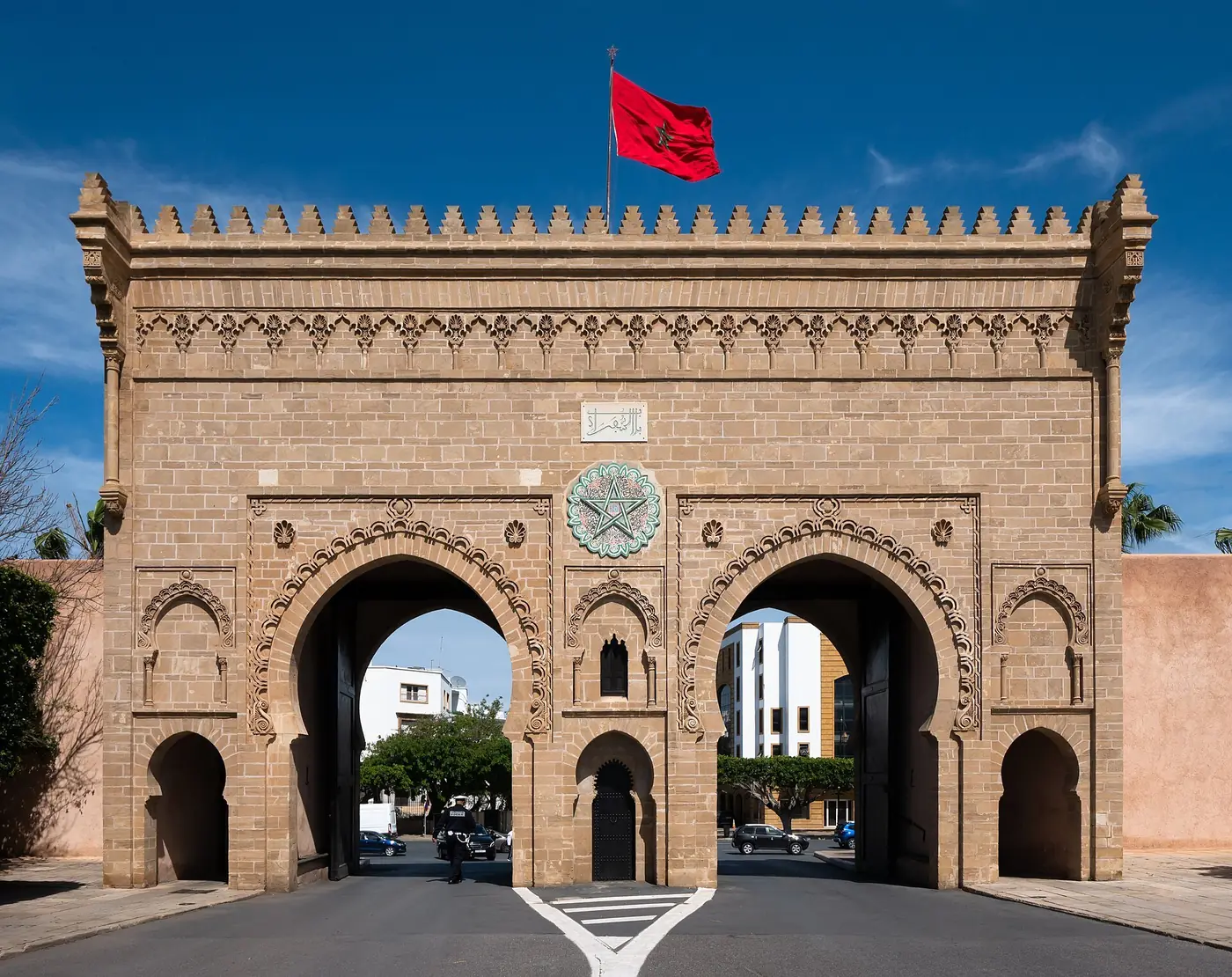 City guide
Rabat Travel Guide: Exploring Morocco's Calm, Elegant Capital
Discover Rabat, Morocco's capital, with this complete travel guide to the Kasbah of the Udayas, Hassan Tower, Chellah, the medina, museums and beaches.
 City guide
Meknes Travel Guide: The Imperial City of Moulay Ismail
Explore Meknes, Morocco's underrated imperial city, with this complete guide to Bab Mansour, Place el-Hedim and the Heri es-Souani granaries.