
Sight guide
Hassan II Mosque: A Visitor's Guide to Casablanca's Masterpiece on the Sea
Published · 7 min read · By Tarik Belasri, Maroc Service
Plan your visit to the Hassan II Mosque in Casablanca, one of the largest mosques in the world and one of the few in Morocco open to non-Muslims.
Rising from a rocky promontory over the Atlantic Ocean, the Hassan II Mosque is the most spectacular modern building in Morocco. Its minaret, about 210 metres high, dominates the skyline of Casablanca and can be seen from miles out at sea. Its prayer hall, decorated by thousands of Moroccan craftsmen, is one of the largest in the world. And unlike almost every other mosque in Morocco, it's open to non-Muslim visitors on guided tours.
Why Was the Hassan II Mosque Built?
King Hassan II wanted Casablanca, Morocco's largest city and economic capital, to have a great monument and a mosque worthy of its importance. He also wanted to showcase Moroccan craftsmanship and Islamic architecture to the world. The project was announced in the 1980s, and construction began in 1986.
The mosque was financed largely through a public subscription, with Moroccans across the country invited to contribute, along with other funding. It was designed by the French architect Michel Pinseau and built by the French company Bouygues, with the involvement of thousands of Moroccan workers and artisans. It was completed in 1993 and inaugurated on the eve of the Prophet's birthday (Mawlid) that year.
Built on Water
The mosque's location is symbolic. It was built partly on land reclaimed from the sea, with part of its prayer hall extending over the water. This was inspired by a verse from the Quran: "And His throne was upon the water" (Surah Hud, 11:7). The effect is most striking from outside, where waves crash against the platform beneath the walls.
Architecture and Dimensions
The scale of the Hassan II Mosque is staggering:
- Minaret: about 210 metres tall, among the tallest in the world. At night, a laser beam from the top points toward Mecca.
- Prayer hall: can accommodate around 25,000 worshippers, with the surrounding esplanade holding tens of thousands more.
- Roof: a section of the roof can slide open, allowing worshippers to pray under the sky.
- Site: the mosque complex covers about 9 hectares, including the esplanade, gardens, a library, a museum and a madrasa.
Moroccan Craftsmanship
What makes the Hassan II Mosque truly special is not only its size but the quality of its decoration. Thousands of Moroccan craftsmen worked on it, using traditional techniques and materials from across the country:
- Zellige: geometric mosaic tiles cover walls and columns in intricate patterns.
- Carved cedar: from the Middle Atlas, used for ceilings, doors and balconies, carved and painted with geometric and floral designs.
- Carved stucco (gebs): delicate plaster carvings decorate arches and walls.
- Marble and granite: from Agadir, Tafraoute and other regions, used for floors, columns and fountains.
- Bronze and titanium: the enormous doors are made of titanium alloy, chosen to resist the salty sea air.
- Venetian glass chandeliers: some of the few imported elements, hanging from the ceiling of the prayer hall.
The mosque is a showcase of Moroccan decorative arts, combining traditional techniques with modern engineering.
What You'll See on the Tour
The Prayer Hall
The tour begins in the main prayer hall, a vast space with rows of columns, arches and chandeliers. The guide will explain the architecture, the decoration and the functioning of the mosque, including the retractable roof and the heated floor. Look up at the carved and painted cedar ceilings, and notice the mezzanines reserved for women.
The Ablution Hall
Below the prayer hall, the ablution hall is a beautiful space with dozens of fountains shaped like lotus flowers, carved from marble. Worshippers wash here before prayer.
The Hammam
The tour also visits the hammam (traditional bath), an impressive space with tiled pools and domes. It was built as part of the complex but has not been used regularly as a public bath.
Visiting the Hassan II Mosque
Guided Tours
Non-Muslims can enter the mosque only on official guided tours, which are held several times a day outside prayer times. Tours are offered in several languages, including English, French, Spanish, German and Arabic. Each tour lasts about 45 minutes to 1 hour.
Tour times vary depending on the season, the day of the week and religious occasions. On Fridays, tours are usually limited due to Friday prayers. During Ramadan, the schedule changes. Check the current schedule before you go, ideally on the official website or with your hotel.
Tickets are sold at the ticket office on the esplanade, near the museum entrance. Prices are higher than for most Moroccan monuments, with discounts for students and children.
Dress Code
- Shoulders and knees must be covered for both men and women.
- Women are not required to cover their hair for the tour, but carrying a scarf is respectful.
- Shoes must be removed in the prayer hall; plastic bags are provided to carry them.
- Behaviour should be calm and respectful; avoid loud conversations.
Practical Tips
- Arrive early: tours can fill up, especially in high season.
- Combine with the esplanade: even without a tour, the esplanade and exterior are open to everyone. Walk around the mosque to see it from all angles.
- Sunset: the mosque is especially beautiful at sunset and after dark, when it's illuminated.
- Photography: allowed during the tour, but not of worshippers.
- Time needed: about 1.5 to 2 hours, including the tour and a walk around the esplanade.
The Museum and Library
The complex includes a museum dedicated to the construction of the mosque and to Moroccan arts and crafts, with models, materials and tools used by artisans. It helps you appreciate the work that went into the building. The library and madrasa are mainly for religious study and are not generally open to tourists.
Exploring the Esplanade
The vast esplanade surrounding the mosque is open to everyone and is a destination in itself. Paved in marble and surrounded by arcades, it can hold tens of thousands of worshippers on major religious occasions. On ordinary days, families stroll here, children play, and couples sit on the seawall watching the waves. Walk all the way to the edge of the platform for dramatic views of the minaret rising above the ocean, and visit at different times of day: the morning light is clear and bright, while sunset turns the stone golden. After dark, the illuminated mosque is spectacular.
Getting There
The mosque is on the seafront, at the edge of the old medina of Casablanca. It's about a 20-minute walk from the Casa Port train station, or a short taxi ride from the city centre. Tram line T2 has stops nearby; check current routes.
Why It Matters
The Hassan II Mosque is a symbol of modern Morocco: a country proud of its Islamic heritage and traditional crafts, while also embracing modern engineering and openness to the world. For Moroccans, it's a place of worship and national pride. For visitors, it's a rare chance to see inside a Moroccan mosque and admire the work of thousands of artisans.
A Note on Respect
Remember that the Hassan II Mosque is first and foremost a place of worship. Guides will explain the meaning of different spaces and rituals; listen, ask questions respectfully, and avoid touching decorations or sitting on prayer carpets unless invited. Seeing the mosque as an active religious space, rather than just a monument, makes the visit more meaningful.
Private tours that visit the Hassan II Mosque
Want to see the Hassan II Mosque without worrying about transport? These private tours with a local driver-guide include it, and each one can be adjusted to your dates and pace:
- 7 Days: Enchanting Trails of Morocco (7 days / 6 nights)
- 8 Days: Marrakech to Marrakech (8 days / 7 nights)
- 9 Days: Discover the Wonders of Morocco (9 days / 8 nights)
- 9 Days: Immerse in the Beauty of Morocco (9 days / 8 nights)
Prefer your own route? Ask for a tailor-made tour and we will build it around the Hassan II Mosque.
Final Thoughts
The Hassan II Mosque is one of Morocco's most impressive sights and the main reason many visitors stop in Casablanca. Take the guided tour to see its interior, then walk around the esplanade at sunset to watch the waves crash against its walls and the minaret glow in the evening light. It's an experience that will stay with you.
Frequently Asked Questions
Can non-Muslims visit the Hassan II Mosque?
Yes, on official guided tours outside prayer times.
How tall is the minaret of the Hassan II Mosque?
About 210 metres, among the tallest in the world.
What should I wear to visit the Hassan II Mosque?
Clothing that covers shoulders and knees. Shoes are removed inside.
How long is the tour of the Hassan II Mosque?
About 45 minutes to 1 hour.
When was the Hassan II Mosque built?
Between 1986 and 1993.
Can I visit the Hassan II Mosque on a Friday?
Tours are usually limited on Fridays because of midday prayers. Check the schedule in advance and plan another day of the week if possible.
Sources
- Encyclopaedia Britannica, Casablanca
- Lonely Planet, Hassan II Mosque
- Passaporte no Bolso, Is the Hassan II Mosque Worth Visiting? Costs, Rules & What Surprises People
- Moroccan National Tourist Office, Visit Morocco
Explore our trips
More travel guides
 City guide
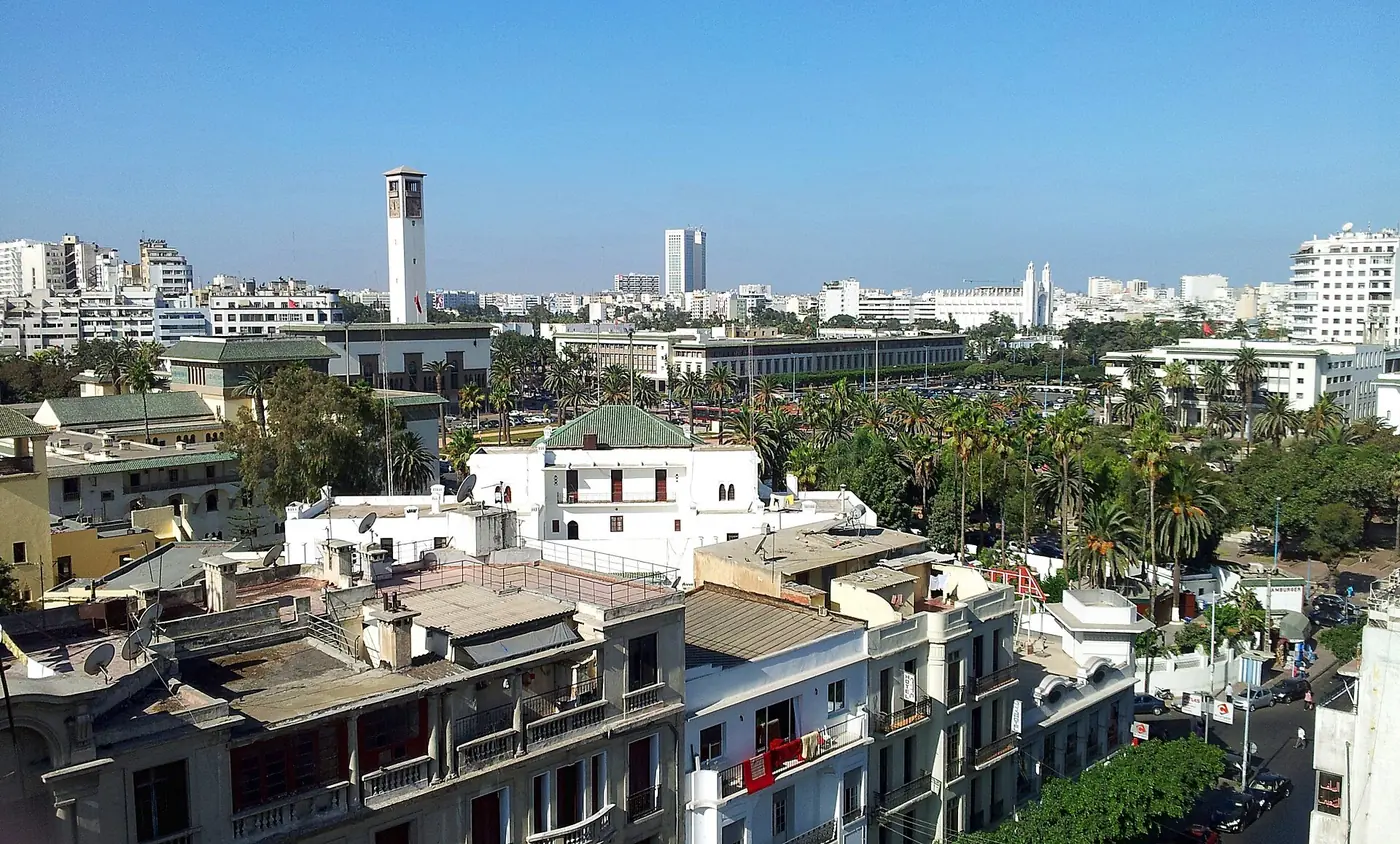
Casablanca Travel Guide: Beyond the Airport, Into Morocco's Biggest City
Is Casablanca worth visiting? This in-depth Casablanca travel guide covers the Hassan II Mosque, Art Deco architecture, the old medina and the Corniche.
 City guide
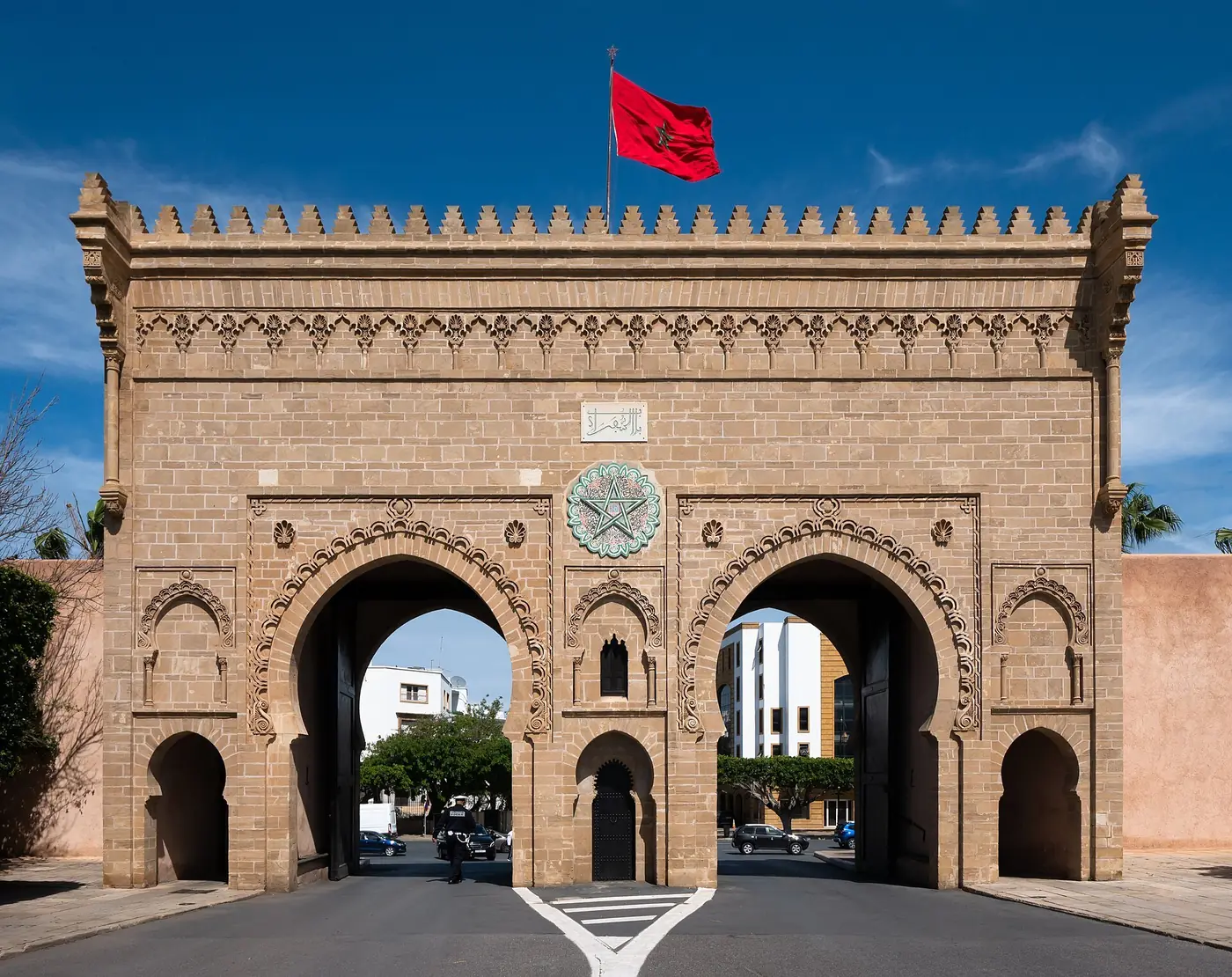
Rabat Travel Guide: Exploring Morocco's Calm, Elegant Capital
Discover Rabat, Morocco's capital, with this complete travel guide to the Kasbah of the Udayas, Hassan Tower, Chellah, the medina, museums and beaches.
 Sight guide
The Mausoleums of Moulay Idriss I and Moulay Idriss II: Morocco's Holiest Shrines
A respectful visitor's guide to the shrines of Moulay Idriss I in Zerhoun and Moulay Idriss II in Fes.