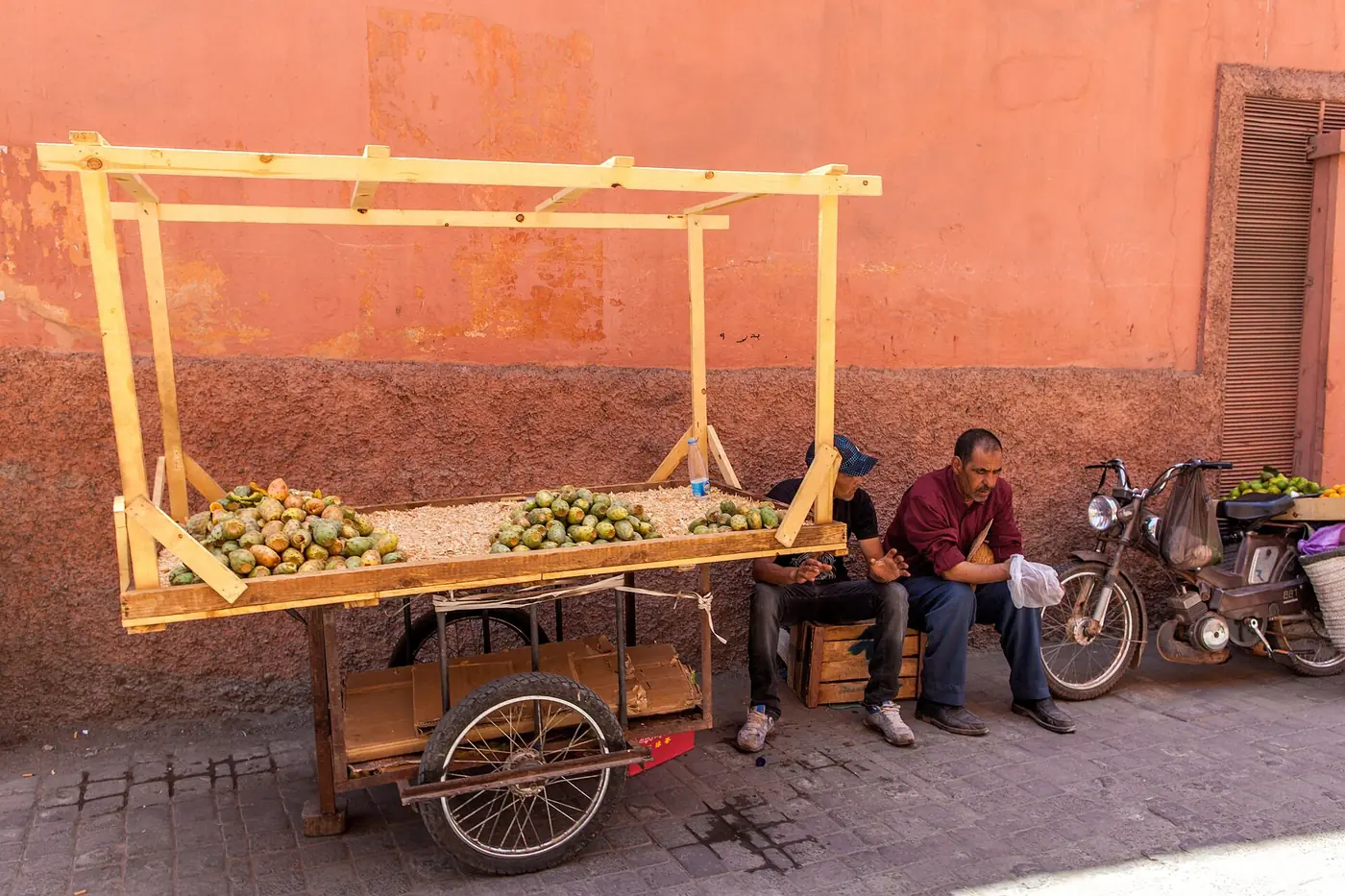
Planning
Is Morocco safe for tourists? Honest advice from a local team
Published · 6 min read · By Tarik Belasri, Maroc Service
Petty theft, scams, women travellers, driving, the desert and emergency numbers: a practical, honest guide to staying safe and relaxed in Morocco.
Morocco welcomes millions of visitors every year, and most trips go smoothly. Like any busy destination, it has its irritations (persistent sellers, small scams, crowded medinas), but serious problems are rare. Here is our honest advice, based on years of guiding travellers.
The short answer
For most travellers, Morocco is a welcoming destination where a little awareness goes a long way. The main risks are petty theft and small scams in crowded places, not violent crime. Always check your own government's latest travel advice before you go, as situations can change.
Common scams and how to avoid them
- "The road is closed." In the medina, a stranger may tell you the street ahead is closed and offer to show you another way, usually to a shop or a tannery where he earns a commission. Smile, say "no, thank you" and keep walking.
- Unofficial guides. Self-appointed guides wait at the gates of the Marrakech and Fes medinas. Use only licensed guides, arranged through your hotel or your tour operator: our guided tour of the hidden medina is led by an accredited local guide.
- Henna and photos on Jemaa el-Fna. Henna artists may start a design before you agree, and performers expect payment for photos. Agree the price first, or politely decline.
- Taxis. In the cities, small taxis should use the meter. If the driver refuses, agree the fare before getting in.
Pickpockets and valuables
Keep your phone and wallet in a front pocket or a zipped bag in busy souks, on Jemaa el-Fna in the evening and at bus and train stations. Leave passports and spare cash in your hotel safe, and carry small dirham notes so you don't show a full wallet.
Women travellers
Many women travel in Morocco without problems, alone or with friends. Unwanted comments can happen in busy medinas; the best response is usually to ignore them and keep walking. Dressing modestly (shoulders and knees covered), travelling with a private driver-guide and choosing a well-run riad make things noticeably easier.
On the road and in the desert
- Driving: main roads are generally good, but mountain roads are slow and winding, and driving at night is best avoided because of unlit vehicles, animals and pedestrians. A private driver who knows the routes removes most of the stress.
- The desert: never venture into the dunes alone. Camps and camel rides should be organised by a reputable operator, and in summer the heat is a real risk: drink plenty and avoid the middle of the day.
- The mountains: weather changes fast in the Atlas. Hike with a local guide, especially in winter.
Health basics
Most visitors drink bottled water, which is cheap and available everywhere. Use sunscreen and a hat all year, and carry your usual medicines. Travel insurance that covers medical care is strongly recommended.
Emergency numbers
- Police: 19 (in towns)
- Gendarmerie: 177 (in rural areas and on the roads)
- Ambulance and fire: 15
Save your hotel's address and your guide's phone number in your phone before setting out.
Travelling with a local team
Much of the hassle disappears when someone local takes care of the logistics: airport pick-up, a driver who knows the roads, licensed guides in the medinas and reliable desert camps. That is exactly what our private tours do, from a 10-day tour from Casablanca to a fully tailor-made trip.
Have a specific question? Send us a message on WhatsApp; a real person answers.
Quick answers
Is Morocco safe for tourists?
Morocco is a popular and generally welcoming destination for tourists. As in any busy country, the main issues are petty theft, persistent sellers and small scams in crowded places, so keep valuables discreet and use licensed guides. Check your government's latest travel advice before you go.
Related: Is Morocco safe for tourists? Honest advice from a local team
Is Morocco safe for women travelling alone or together?
Many women travel in Morocco without problems, though unwanted comments or attention can happen in busy medinas. Dressing modestly, ignoring persistent approaches and travelling with a private driver-guide make things easier, and our team can recommend riads with a calm, safe atmosphere.
Related: Is Morocco safe for tourists? Honest advice from a local team
Explore our trips
More travel guides
 Planning
Travelling in Morocco during Ramadan: what to expect
Can you visit Morocco during Ramadan? Opening hours, restaurants, iftar, etiquette, time-zone change and tours: a practical guide for travellers.
 City guide
El Jadida Travel Guide: The Portuguese City of Mazagan
Explore El Jadida, Morocco: the UNESCO-listed Portuguese City of Mazagan, the famous Portuguese Cistern, the ramparts and beaches.
 Planning
Merzouga or Erg Chegaga? How to choose your Sahara desert in Morocco
Tall, easy-to-reach dunes at Merzouga or a remote sea of sand at Erg Chegaga? A local guide to Morocco's two great deserts, with the trips that go there.