City guide
Dakhla Travel Guide: Kitesurfing, Lagoons and Where the Desert Meets the Ocean
Published · 11 min read · By Tarik Belasri, Maroc Service
A complete Dakhla travel guide: the famous kitesurfing lagoon, the White Dune, Dragon Island, hot springs, desert excursions, oysters and seafood.
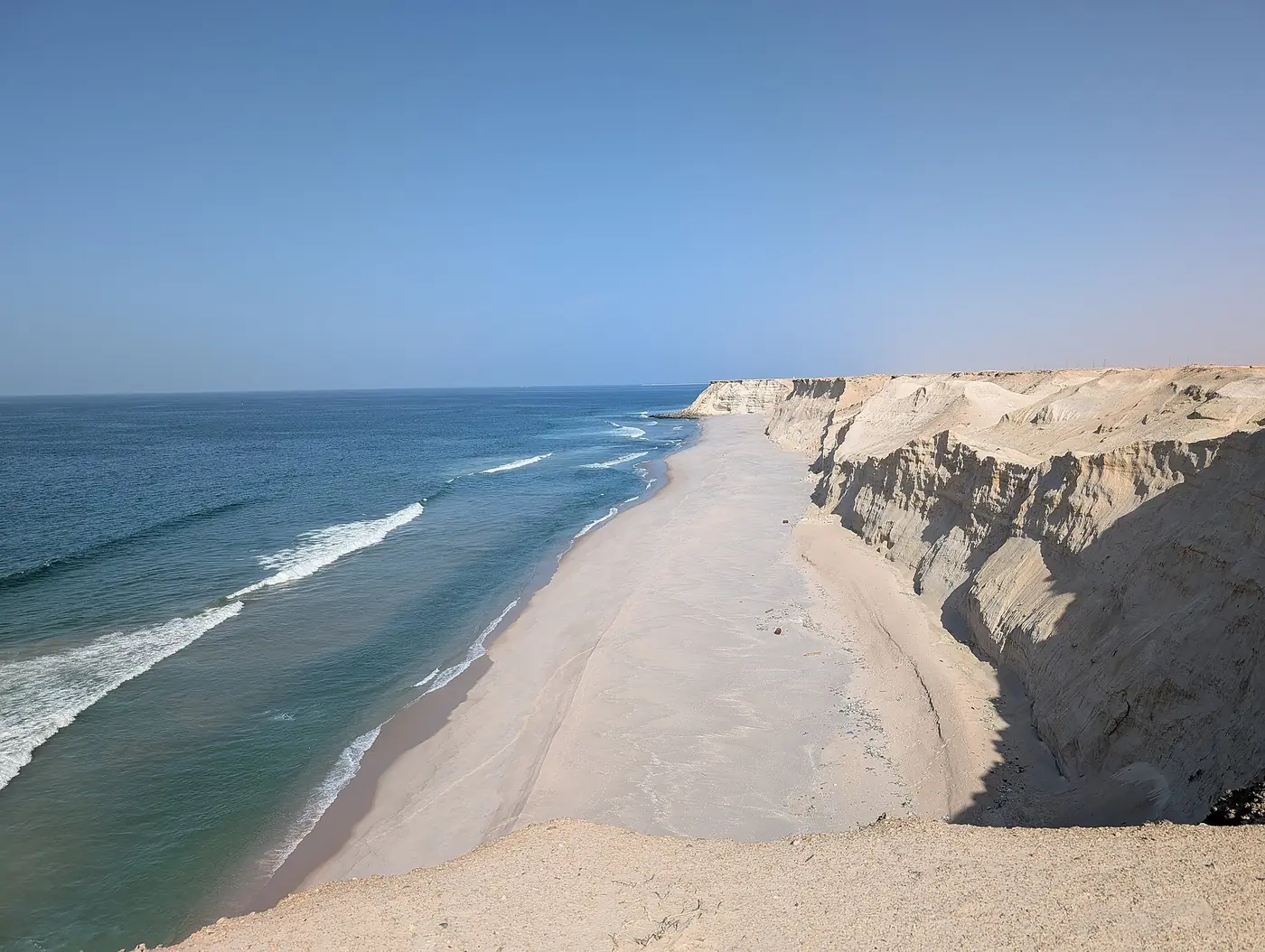
Dakhla feels like the edge of the world. Far down the Atlantic coast, more than 1,000 km south of Agadir, a long, narrow peninsula juts into the ocean, enclosing a shallow lagoon of turquoise water. On one side, desert stretches inland for hundreds of kilometres. On the other, the Atlantic rolls in from the open sea. Strong, steady winds blow almost all year round, and the light is extraordinary.
For decades, Dakhla was a remote fishing town known mainly to Moroccans. Today it has become one of the world's top kitesurfing destinations, a place for adventure travellers, nature lovers and anyone looking for wide horizons. This guide covers everything you need to know to plan a trip.
A Short History of Dakhla
The peninsula was known to European sailors as early as the 15th century. In the late 19th century, the Spanish established a trading post here and named it Villa Cisneros, after a 15th-century Spanish cardinal. The town remained a small Spanish outpost for decades, mainly serving fishing and as a stop for early aviation; pilots of the French Aéropostale airmail service, including Antoine de Saint-Exupéry, flew along this coast in the 1920s and 1930s.
After Spain withdrew from the territory in the 1970s, the town took the name Dakhla. It has since grown into the capital of the Dakhla-Oued Ed-Dahab region, with an economy based on fishing, aquaculture, agriculture in greenhouses and, increasingly, tourism.
Why Dakhla Is Special
Three things make Dakhla unique:
1. The lagoon: about 40 km long and up to 10 km wide, the Dakhla Bay is shallow, sheltered and calm, with flat water ideal for kitesurfing and windsurfing.
2. The wind: the trade winds blow from the north for more than 300 days a year, often strongly, especially from spring to autumn.
3. The landscape: desert, dunes, ocean and lagoon meet in a striking combination of colours, with very little development outside the town.
Top Things to Do in Dakhla
Kitesurfing and Windsurfing
Dakhla is above all a kitesurfing paradise. The lagoon offers flat, waist-deep water in many places, perfect for beginners and for freestyle riders. On the ocean side, experienced riders can find waves. Several kite centres along the lagoon offer lessons for all levels, equipment rental and accommodation packages.
Beginners can usually learn the basics in a few days thanks to the steady wind and shallow water. More advanced riders come for "downwinders," long rides along the lagoon with the wind at their backs, often finishing at a pick-up point by boat or 4x4.
Windsurfing, wingfoiling and stand-up paddleboarding are also popular. International kitesurfing competitions have been held in Dakhla.
The White Dune (Dune Blanche)
The White Dune, on the edge of the lagoon about 40 km from town, is one of Dakhla's most beautiful spots. At low tide, a huge expanse of white sand appears, surrounded by turquoise water. You can walk on the dune, swim in the shallow channels and enjoy the views. Some excursions include a picnic or oysters on the spot.
Dragon Island
Dragon Island is a small island in the lagoon, named for its shape. At low tide, you can walk or wade to it. It's a popular kitesurfing spot and a great place to watch birds and enjoy the scenery. Boat trips can take you there.
Lagoon Boat Trips
Boat trips on the lagoon allow you to see the landscape from the water, visit sandbanks and islands, watch birds and sometimes spot dolphins. The lagoon is an important habitat for migratory birds and is listed as a Ramsar wetland of international importance.
Asmaa Hot Springs
About 20 km from Dakhla, the hot springs of Asmaa (sometimes called the Dakhla thermal springs) produce warm, mineral-rich water from deep underground. Visitors come to soak in the pools, which are believed to have therapeutic properties. The site has basic facilities.
Oyster Farms
Dakhla's lagoon is rich in nutrients, and oyster farming has become a major activity. You can visit oyster farms, learn how oysters are grown and taste them fresh. Dakhla oysters are famous across Morocco for their quality and size. Many restaurants in town serve them at low prices.
Desert Excursions
Inland from Dakhla, the desert offers vast landscapes of sand, rock and dunes. 4x4 excursions take you to places like the Porto Rico beach, Lassarga, the dunes south of the lagoon and remote coastal cliffs. You may see camels, desert plants and the traces of nomadic life. Some tours include tea with local families in traditional tents.
Fishing
Dakhla is one of Morocco's main fishing ports, and sport fishing is popular, both from the shore and from boats. Species include sea bass, corvina, bluefish and more. Fishing trips can be organised with local operators.
Town of Dakhla
The town itself is modest but pleasant, with a seafront promenade, a port, markets and cafés. The Sunday market is lively, and the fish market gives you a sense of the town's fishing economy. In the evening, families stroll along the corniche.
Learning to Kitesurf in Dakhla: What to Expect
If you've never kitesurfed before, Dakhla is one of the easiest places in the world to start, but it still takes patience. Most schools follow international standards, such as IKO or VDWS certification, and begin with a theory session on wind, safety and equipment. On the first day, you'll usually learn to fly a small trainer kite on the beach, before moving on to a full-size kite in the water.
The next stage is body-dragging: being pulled through the water by the kite without a board, which teaches you how to control the power. Only after that will you try to stand up on the board. Thanks to the lagoon's shallow, flat water, you can stand and walk back after every fall, which makes progress much quicker than in deep or choppy water.
Most beginners need between 8 and 12 hours of lessons before they can ride independently, spread over several days. Book a course of at least five days if you want to leave with real skills. Instructors often use radio helmets so they can coach you from the shore. Choose a school with small groups, modern equipment and a rescue boat on the lagoon.
Experienced riders should note that the wind can be very strong in summer, often 20 to 30 knots, so bring a range of kite sizes or rent locally. The water is cool, so a 3/2 mm wetsuit is usually enough in summer, with a thicker one in winter.
Sahrawi Culture and Hospitality
Dakhla is part of a region where Hassani Arabic is spoken and Sahrawi culture is strong. Many families descend from nomadic tribes who once moved across the desert with their herds of camels and goats. Traditional clothing is distinctive: men often wear the deraa, a loose, flowing robe in light blue or white, and women wear the melhfa, a long, colourful wrap that covers the body and head.
Hospitality is central to Sahrawi culture. If you're invited into a home or a tent, you'll be served tea prepared in an elaborate ritual. The tea is poured from a height to create foam and served in three rounds, traditionally described as "bitter like life, sweet like love and soft like death." It's polite to accept all three glasses. Poetry and music are also important, and the region has its own musical traditions, featuring the tidinit (a lute) and the tbal (a large drum).
Getting Around the Peninsula
The road from the airport to the lagoon camps runs along the peninsula, with the bay on one side and the ocean on the other. Distances are long, and there's little public transport outside the town. Most camps include airport transfers and organise excursions. If you want independence, rent a car in town, but be careful on desert tracks, which require a 4x4 and local knowledge. Watch out for camels crossing the road, especially at dusk.
Where to Stay in Dakhla
Kite Camps on the Lagoon
Most visitors stay in kite camps and eco-lodges along the lagoon, about 20 to 40 km from town. These offer direct access to the water, accommodation in bungalows or tents, restaurants and kitesurfing schools. Some are simple; others are luxurious.
In Town
Hotels and guesthouses in Dakhla town are cheaper and convenient for restaurants and services, but you'll need transport to reach the lagoon.
Eco-Lodges
Several eco-lodges focus on sustainable tourism, using solar energy, water-saving measures and local materials.
What to Eat in Dakhla
- Oysters: fresh, plump and cheap.
- Fish and seafood: grilled fish, octopus, calamari, shrimp and lobster.
- Camel meat: a local specialty, often grilled or in tagines.
- Sahrawi tea: strong green tea served in three rounds, a ritual of hospitality.
- Couscous and tagines: classic Moroccan dishes.
Getting to Dakhla
By air: Dakhla Airport (VIL) has direct flights from Casablanca and a few other Moroccan cities, as well as some direct flights from European cities. This is by far the easiest way to get there.
By road: Dakhla is about 1,700 km from Casablanca and over 1,100 km from Agadir. The road along the Atlantic coast is long but scenic, passing through Tan-Tan, Tarfaya, Laayoune and Boujdour. Buses run from Agadir and other cities, but the journey takes around 20 hours or more.
Getting around: Taxis operate in the town. To reach the lagoon camps, most accommodation offers airport transfers. For excursions, hire a 4x4 with a driver or join a tour.
Best Time to Visit Dakhla
Dakhla has a mild climate year-round, thanks to the ocean. Temperatures rarely go above 30°C or below 15°C.
- For kitesurfing: the windiest months are generally from April to September, but there's wind most of the year.
- For relaxing and sightseeing: October to March offers warm days, lighter winds and fewer crowds.
- Water temperature: cool to mild year-round. A wetsuit is recommended for watersports.
Practical Tips
- Wind and sun: protect yourself with sunscreen, sunglasses, a hat and windproof clothing.
- Wetsuit: bring one, or rent locally.
- Cash: ATMs are available in town, but not in remote camps.
- Internet: connectivity is improving, but can be limited in camps.
- Remote location: Dakhla is far from other tourist destinations. Plan your trip with enough time.
- Political context: Dakhla lies in Western Sahara, a territory administered by Morocco whose final status is the subject of a long-running UN process. Some governments issue specific travel advice for the region, so check yours before booking.
- Respect local culture: Dakhla has a strong Sahrawi culture. Dress modestly in town and ask before photographing people.
Dakhla for Non-Kitesurfers
Even if you don't kitesurf, Dakhla has plenty to offer. You can relax on the beaches, take boat trips, visit the White Dune, soak in hot springs, explore the desert, go fishing, practise yoga in the lodges and eat excellent seafood. The landscapes and sunsets alone make the trip worthwhile.
Responsible Travel in Dakhla
Dakhla's lagoon is a fragile ecosystem. To protect it:
- Follow the rules of protected areas and don't disturb birds.
- Use reef-safe sunscreen.
- Avoid driving on dunes and vegetation.
- Take all rubbish with you.
- Choose eco-friendly accommodation and operators.
- Support local businesses and employ local guides.
What to Pack for Dakhla
Packing for Dakhla is different from packing for the rest of Morocco. The wind is the main factor. Bring a windproof jacket and a warm fleece for evenings, even in summer, as temperatures drop after sunset and the wind makes it feel colder. A buff or scarf protects your face from blowing sand. For the water, pack a wetsuit (or plan to rent one), rash vest, water shoes for the sandbanks, and high-SPF, water-resistant sunscreen. Polarised sunglasses with a strap are essential on the water.
For excursions into the desert, bring closed shoes, a hat, a refillable water bottle and a small backpack. A power bank and offline maps are useful, as mobile coverage can be patchy outside town. If you plan to visit the hot springs, pack a swimsuit and a quick-dry towel. Finally, bring some cash in dirhams for small purchases and tips, as card payments aren't accepted everywhere.
Combining Dakhla with the Rest of Morocco
Because of its remote location, Dakhla is usually visited as a separate trip, often a week focused on kitesurfing or relaxation. But it can also be combined with other destinations. Flights from Casablanca make it easy to spend a few days in Marrakech, Fes or Rabat before or after your stay. Adventurous travellers driving the coast road can stop in Tarfaya, where a museum honours Saint-Exupéry and the Aéropostale pilots, and in the wild coastal landscapes of the Khenifiss National Park lagoon near Akhfennir, which is rich in birdlife.
Suggested 5-Day Dakhla Itinerary
Day 1: Arrive and settle into your lagoon camp. Afternoon kitesurfing introduction or relaxation.
Day 2: Kitesurfing lessons in the morning. Afternoon visit to an oyster farm, with tasting.
Day 3: Excursion to the White Dune and Dragon Island, with lunch on the lagoon.
Day 4: 4x4 desert excursion, or a day of kitesurfing.
Day 5: Visit the Asmaa hot springs and Dakhla town before departure.
Private tours that visit Dakhla
Want to see Dakhla without worrying about transport? These private tours with a local driver-guide include it, and each one can be adjusted to your dates and pace:
Prefer your own route? Ask for a tailor-made tour and we will build it around Dakhla.
Final Thoughts
Dakhla is a destination for those who love space, wind and water. Experienced riders come back year after year, and first-timers who only wanted to see where the desert meets the ocean often end up booking a lesson. Come for the wind, stay for the light, the silence and the oysters.
And if you only remember one thing, let it be the evenings: the wind finally dropping, the lagoon turning gold and pink, and the desert glowing on the far shore as the first stars appear over the water.
Frequently Asked Questions
Is Dakhla good for beginner kitesurfers?
Yes, the flat, shallow lagoon and steady winds make it one of the best places in the world to learn.
How do I get to Dakhla?
The easiest way is to fly from Casablanca or from selected European cities.
When is the best time to visit Dakhla?
For kitesurfing, from April to September. For lighter winds and relaxation, from October to March.
Is the water in Dakhla warm?
It's cool to mild year-round because of the Canary Current. A wetsuit is recommended for kitesurfing and for long sessions in the water, especially in winter.
Is Dakhla safe for tourists?
Dakhla is generally considered safe for tourists. Check your government's travel advice before you go.
Sources
- Ramsar Sites Information Service, Baie de Dakhla
- Encyclopaedia Britannica, Al-Dakhla
- Moroccan National Tourist Office, Visit Morocco, Dakhla
- Office National des Aéroports (ONDA), Dakhla Airport
English
Villages & small towns
12 blogs
Explore our trips
More travel guides
 City guide
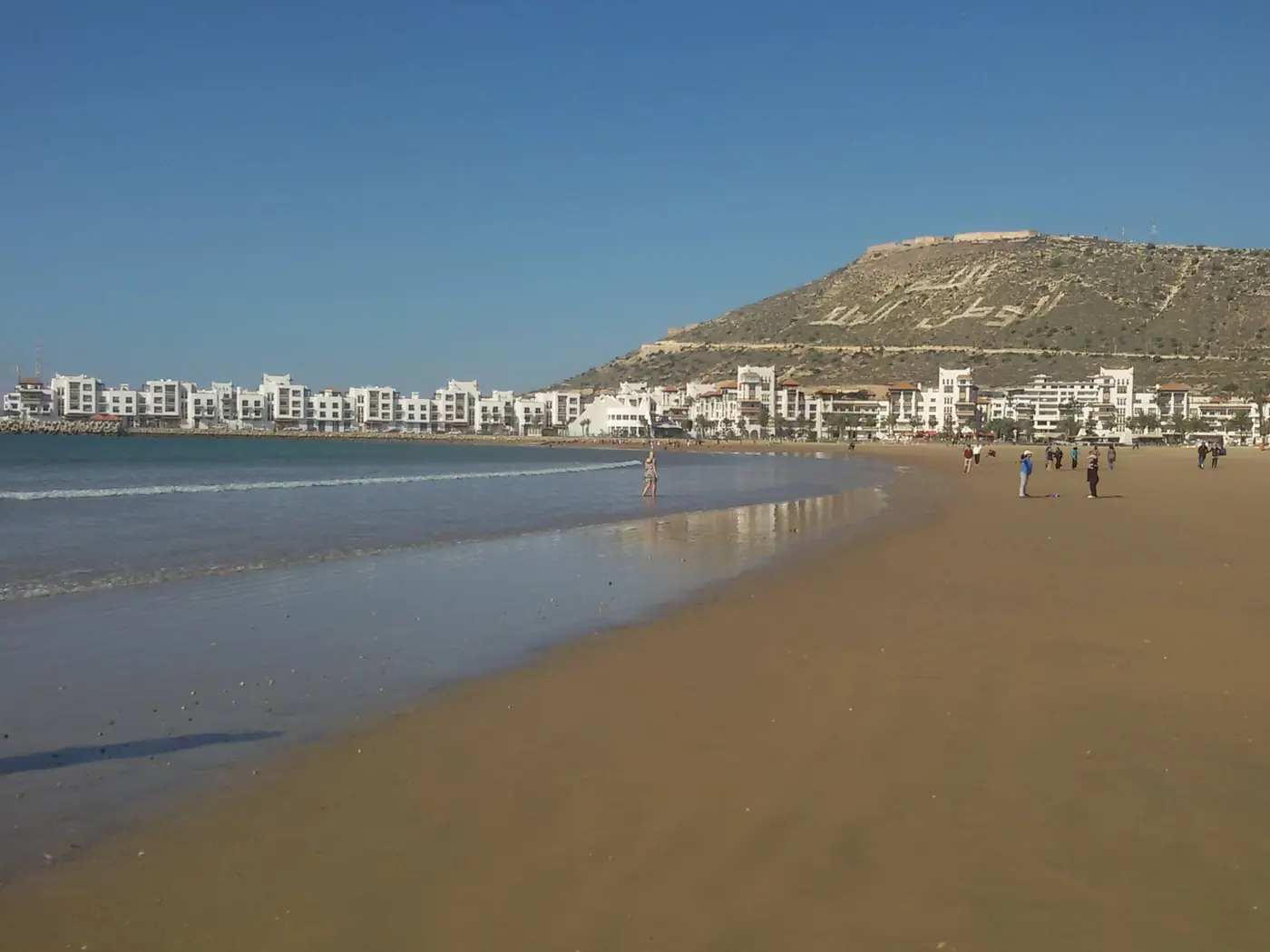
Agadir Travel Guide: Beaches, Sunshine and the Souss Valley
Plan a sunny holiday in Agadir, Morocco: the best beaches, Agadir Oufella Kasbah and cable car, Souk El Had and surfing in Taghazout.
 City guide
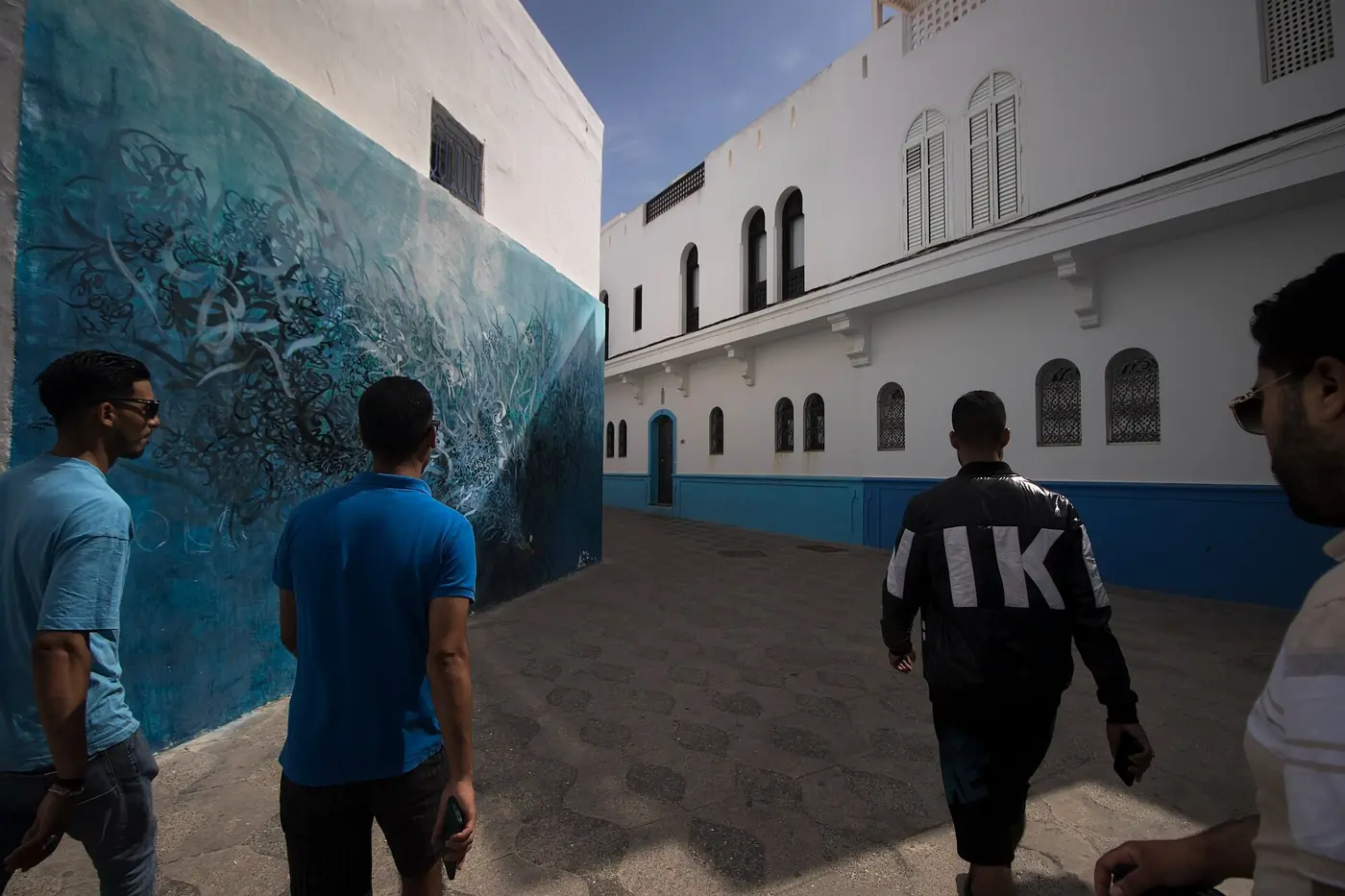
Asilah Travel Guide: Murals, Ramparts and Atlantic Sunsets
Plan a trip to Asilah, Morocco's artistic seaside town: the whitewashed medina, street murals, Portuguese ramparts and Raissouni Palace.
 City guide
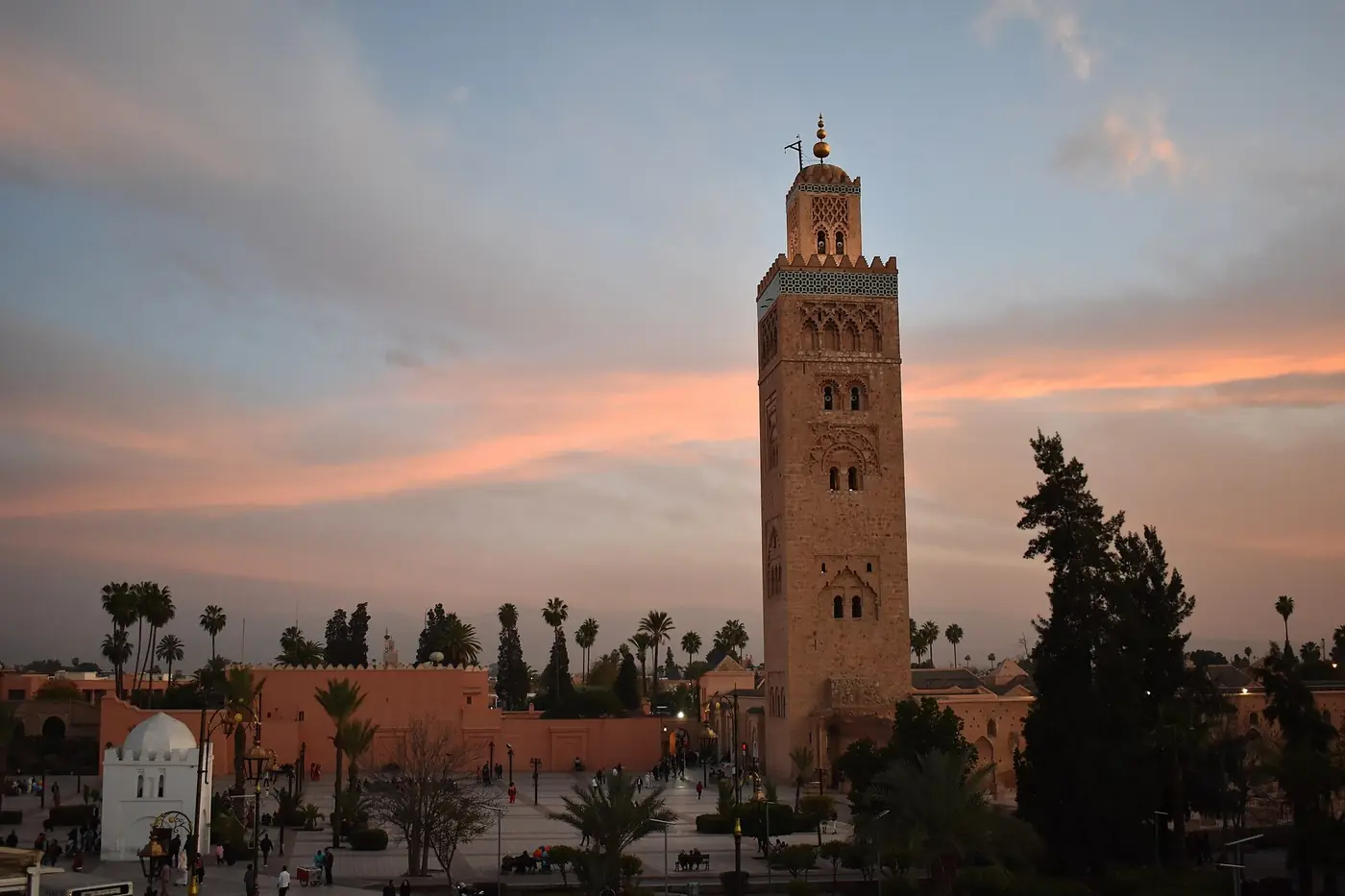
Marrakech Travel Guide: What to See, Where to Stay and How to Enjoy the Red City
A practical Marrakech travel guide for first-timers and return visitors: the medina, Jemaa el-Fna, Majorelle Garden, palaces, riads, food and day trips.